

Project Overview
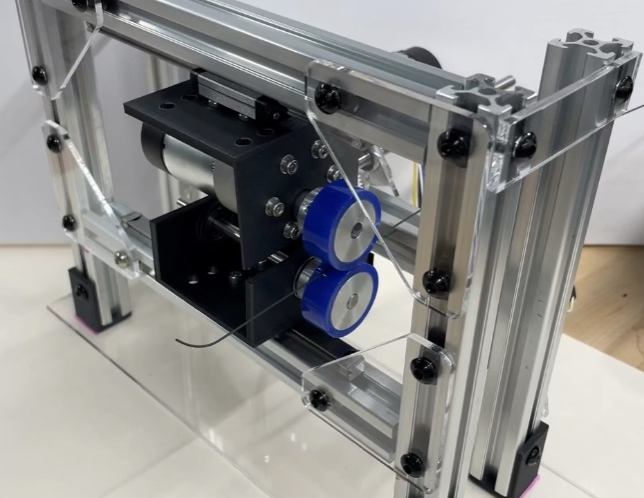
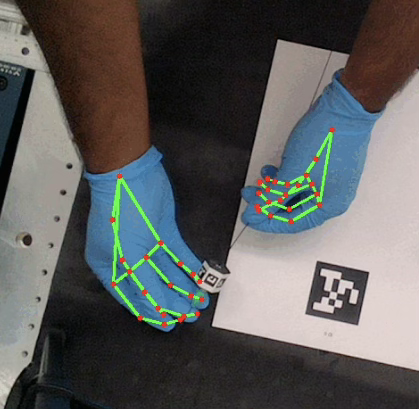
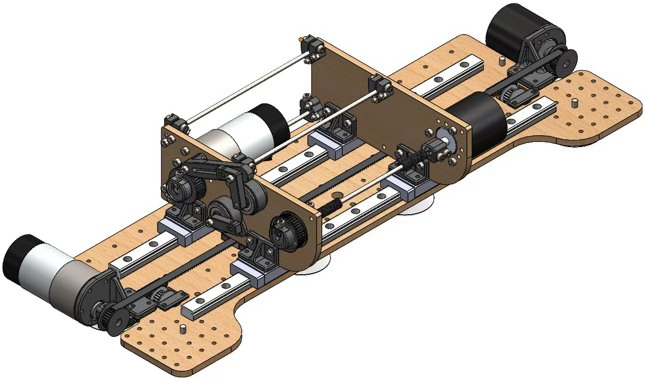
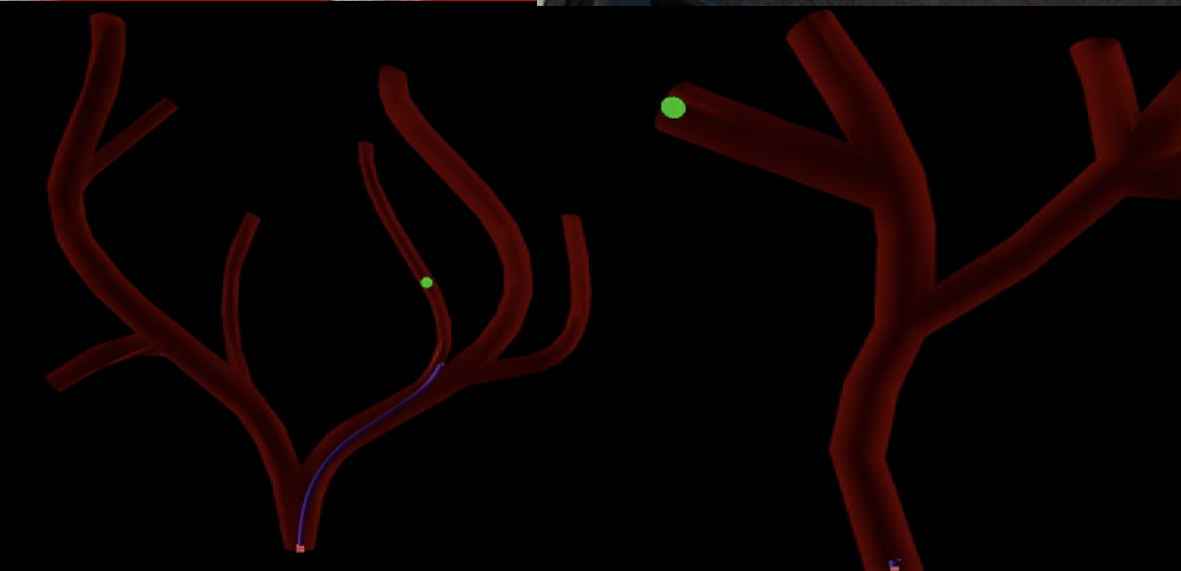
The critical shortage of specialized endovascular surgeons in rural and underserved areas creates a significant healthcare access challenge, particularly for time-sensitive procedures like aneurysm repair and emergency stroke interventions. Our teleoperated endovascular surgical robot platform addresses this gap by enabling expert surgeons to perform complex procedures remotely through advanced haptic feedback and robotic control systems. The core innovation integrates high-precision robotic manipulators with multi-modal imaging, low-latency communication networks, and sophisticated haptic interfaces that provide surgeons with realistic force feedback during catheter navigation and device deployment. Key technical challenges include achieving sub-millimeter accuracy in robotic control, maintaining tactile sensation through haptic rendering, ensuring fail-safe operation with multiple redundant safety systems, and developing real-time computer vision algorithms for enhanced surgical visualization and guidance.
This telesurgery platform revolutionizes healthcare delivery by extending specialist expertise to remote hospitals, enabling rapid emergency interventions, and providing advanced surgical training through realistic haptic simulations. Medical centers in underserved areas gain access to world-class endovascular expertise for treating brain aneurysms, coronary artery disease, and peripheral vascular conditions without requiring patient transport or specialist travel. The system offers significant cost reductions in healthcare delivery while improving patient outcomes through timely access to expert care. Training applications include standardized surgical education protocols, objective skill assessment metrics, and safe practice environments for complex procedures. Our research team brings together expertise in medical robotics, haptic technology, and clinical endovascular surgery to advance the field of remote surgical intervention. We actively seek partnerships with medical institutions for clinical validation, technology companies for commercial development, and healthcare organizations interested in deploying next-generation telemedicine capabilities that can transform surgical care accessibility worldwide.