01
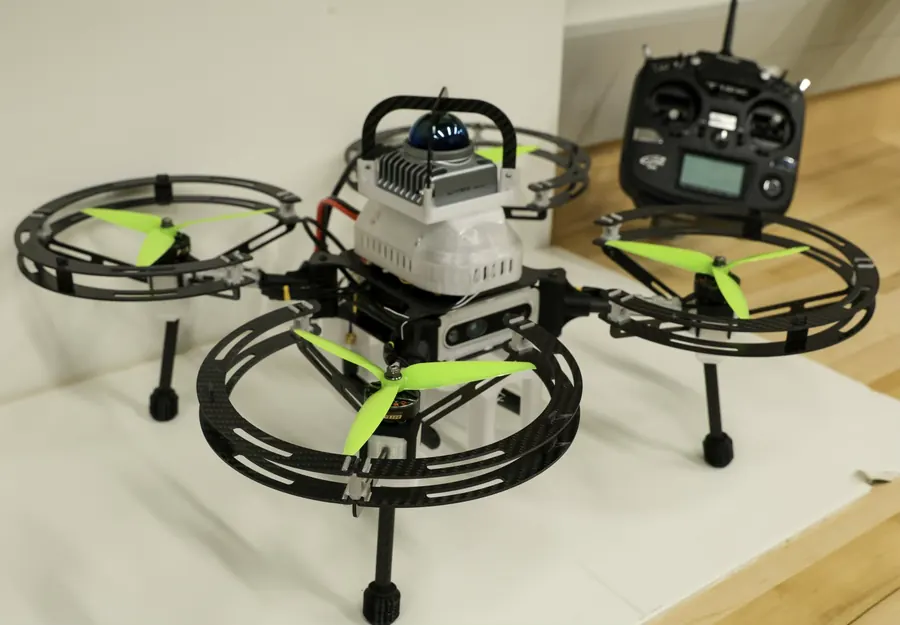
Autonomous Aerial Robots
Drones and blimps that navigate, explore and inspect GPS-denied spaces such as tunnels, canals and construction sites.
Carnegie Mellon University · Mechanical Engineering
We build robots and computational tools that solve real-world problems in construction, manufacturing, infrastructure inspection and healthcare.
01Research
Five themes connect our 42 projects, from autonomous flight to patient-specific medical devices.
Drones and blimps that navigate, explore and inspect GPS-denied spaces such as tunnels, canals and construction sites.
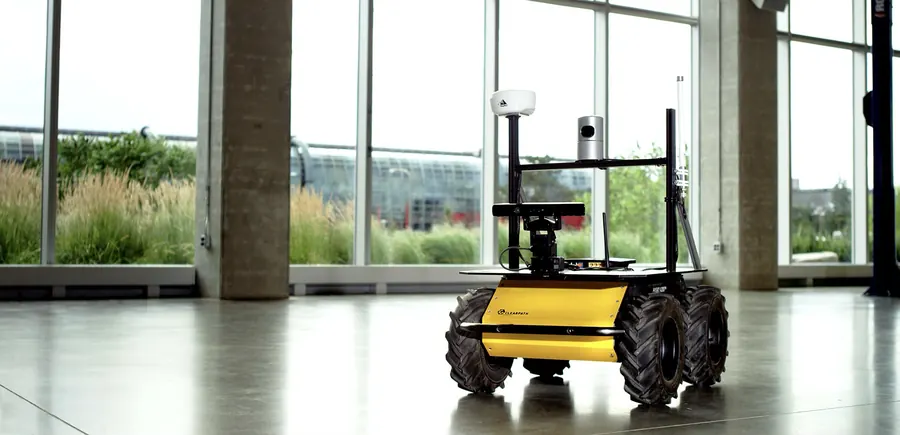
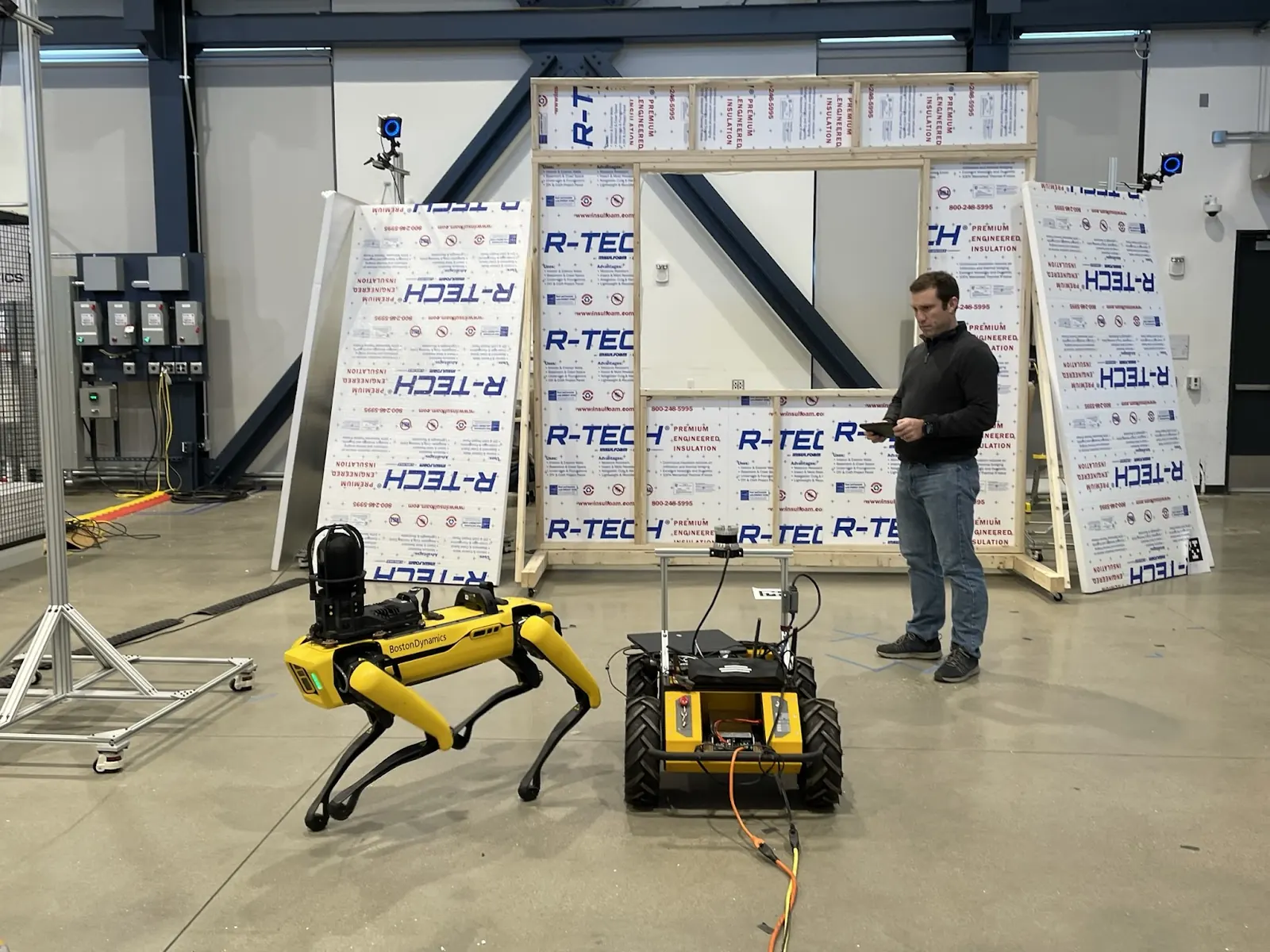
Quadrupeds, ground vehicles, crawlers and underwater robots with semantic perception for inspecting buildings, ships and infrastructure.
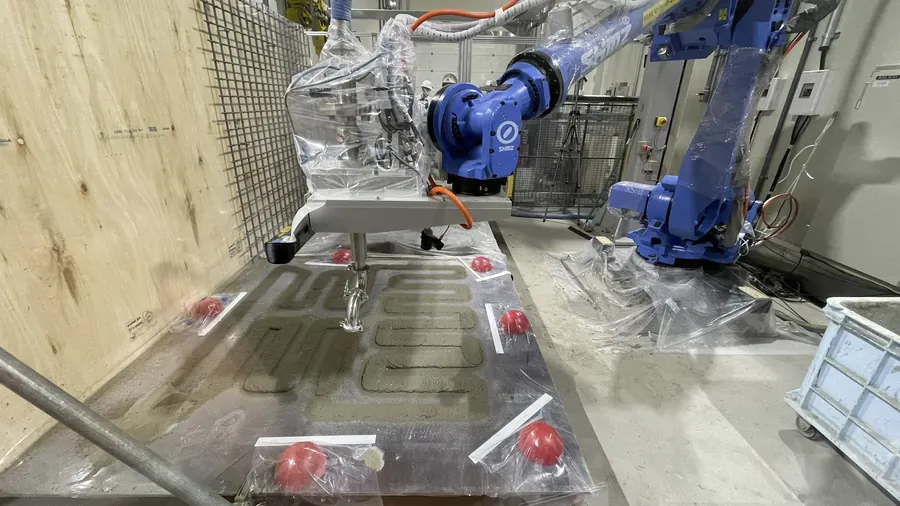
Industrial robots for concrete spray printing, window installation, welding, mining, inspection and additive-manufacturing post-processing.
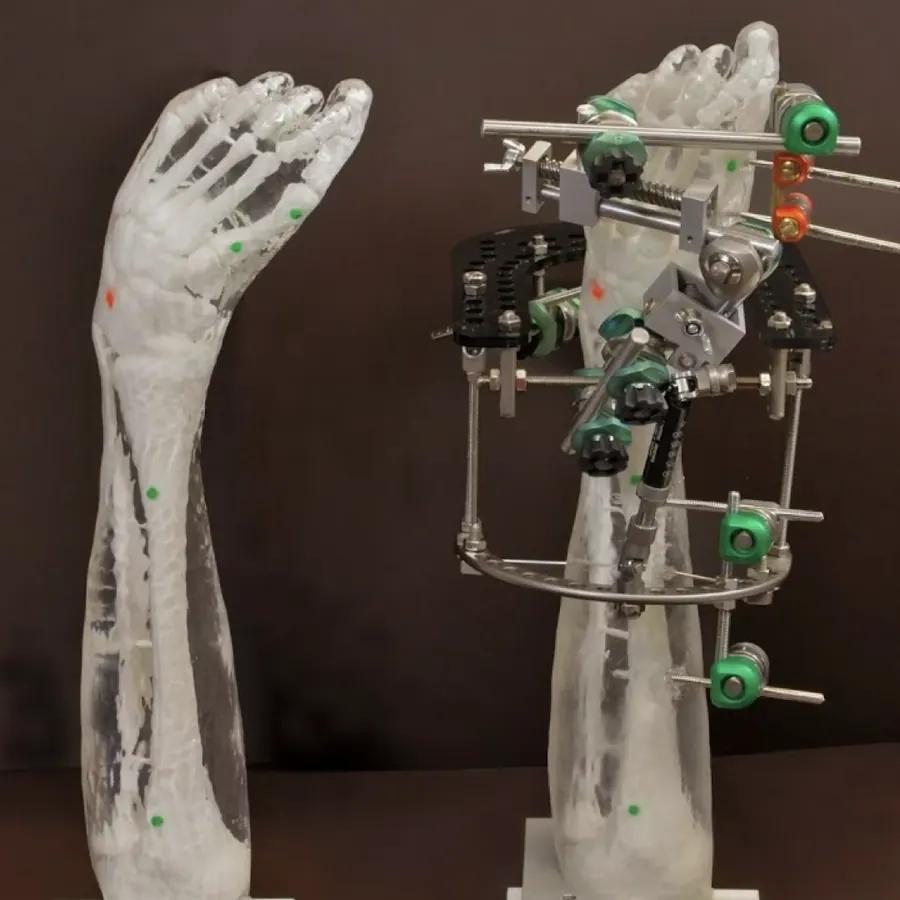
Patient-specific devices, surgical training phantoms, custom-fit masks and clinical imaging designed with computational tools.
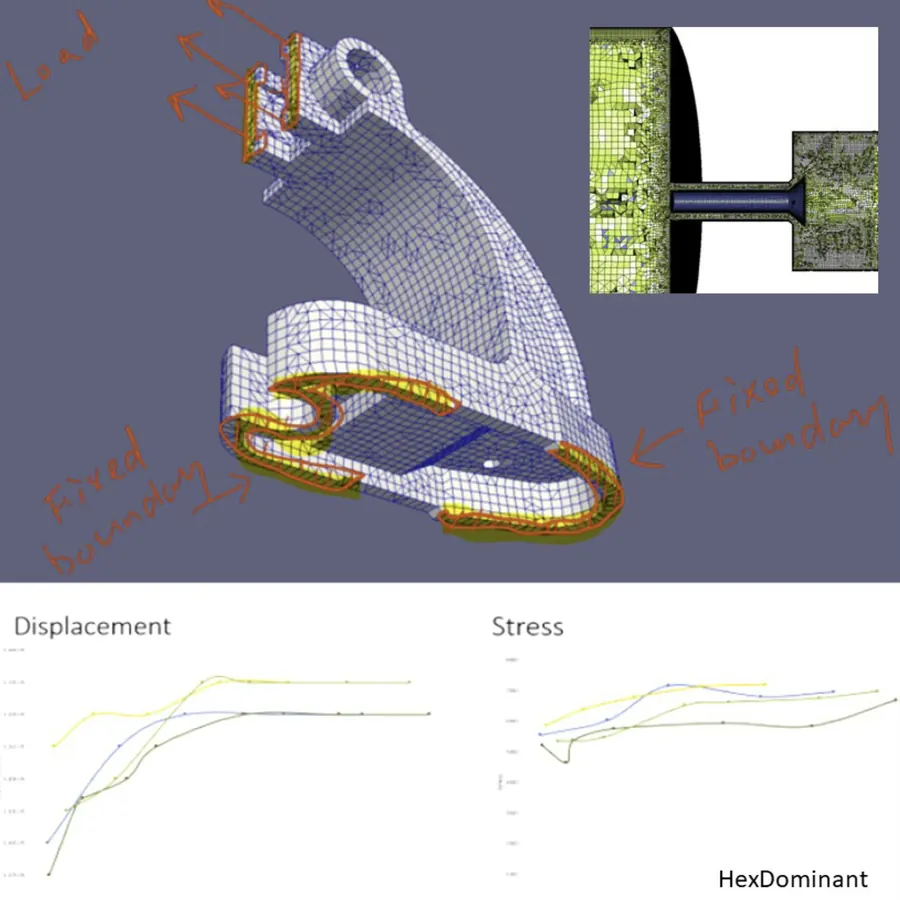
Mesh generation, shape optimization, simulation and machine-learning tools that connect geometry, physics and data.
02Open source
Our autonomy stacks are used by robotics researchers around the world. Everything is free to use and build on.
Deep reinforcement learning for safe UAV flight in dynamic environments (IEEE RA-L 2025). NVIDIA Isaac, ROS 1 and ROS 2.
View on GitHub →A versatile, modular framework for autonomous UAVs: perception, mapping, planning and control.
View on GitHub →Unitree Go2 simulation platform for testing legged-robot navigation and autonomy in NVIDIA Isaac Sim.
View on GitHub →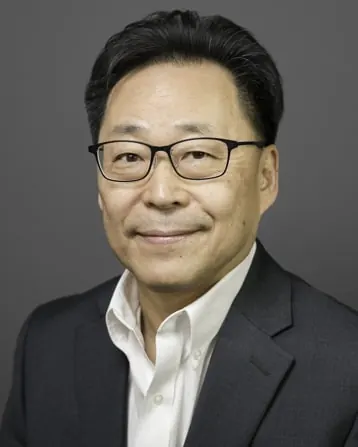
03Lab director
Theodore Ahrens Professor in Engineering, Carnegie Mellon University
Professor Shimada is a faculty member in Mechanical Engineering with courtesy appointments in Biomedical Engineering and the Robotics Institute. He earned his Ph.D. at MIT and spent a decade at IBM's Tokyo Research Laboratory before joining CMU in 1996. His group develops computational and robotic technologies that improve society and human welfare.
04Lab life
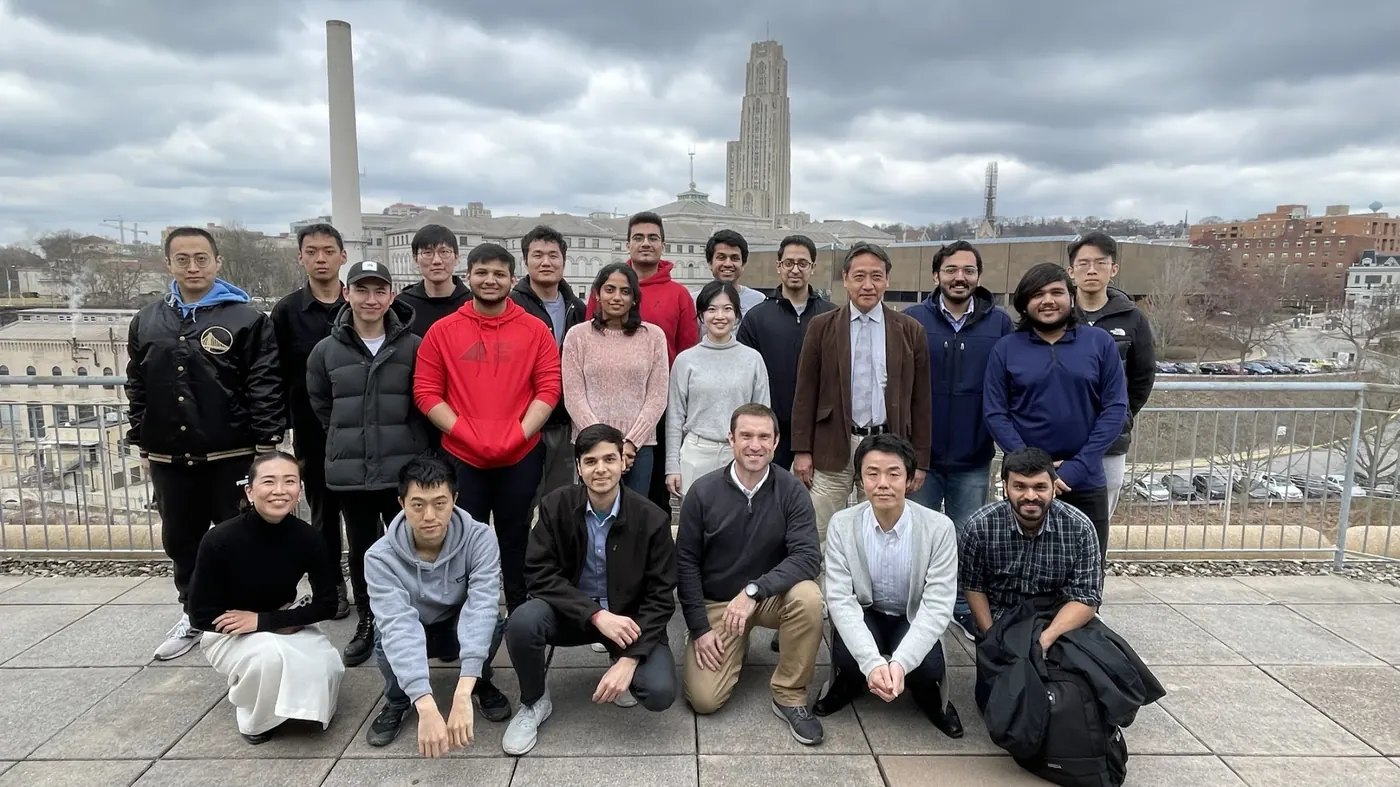
Field tests, lab tours, conference trips and group dinners: the people behind the research.
05Join us
We welcome students and researchers who want to build things that matter. Selected candidates are invited to meet Professor Shimada to discuss their interests within a few days of applying.