
Project Overview
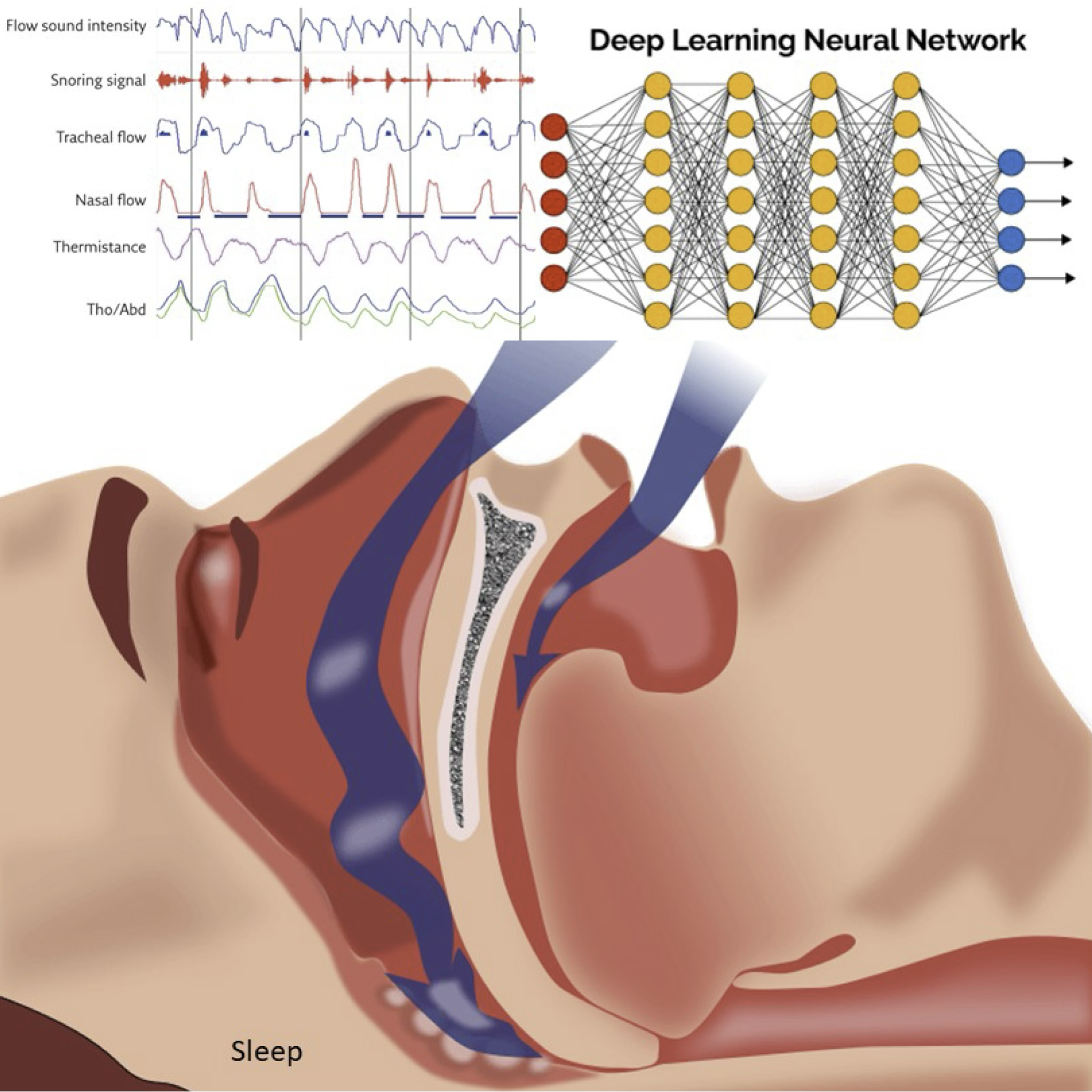
Sleep disorders affect millions globally, yet current diagnostic methods rely on expensive, disruptive in-lab studies that limit accessibility and early detection. Our research addresses this critical healthcare gap by developing advanced machine learning signal processing systems for non-invasive detection of snoring and sleep apnea using audio and motion sensors suitable for home monitoring. The core innovation lies in training robust AI models that can distinguish sleep disorder events and estimate severity from environmental signals, utilizing advanced digital signal processing techniques, pattern recognition algorithms, and multi-modal sensor fusion. Our unique approach combines privacy-preserving data handling with real-time processing capabilities, enabling continuous monitoring that operates effectively in varied home environments while meeting stringent medical device standards.
This technology transforms sleep medicine by making screening and follow-up monitoring accessible to populations previously underserved due to geographic or economic barriers. The system integrates seamlessly with existing medical device platforms and clinical workflows, offering healthcare providers a powerful tool for early detection, treatment monitoring, and patient engagement. Through our collaboration with leading medical device manufacturers like Philips, we’re establishing clear pathways for commercial deployment and FDA regulatory approval. The broader impact extends to reducing healthcare costs, preventing serious cardiovascular complications through early intervention, and enabling large-scale epidemiological research. Our team combines deep expertise in machine learning, biomedical signal processing, and medical device development, seeking partnerships with healthcare providers, technology companies, and research institutions to advance this vital field of digital health innovation.