
Project Overview
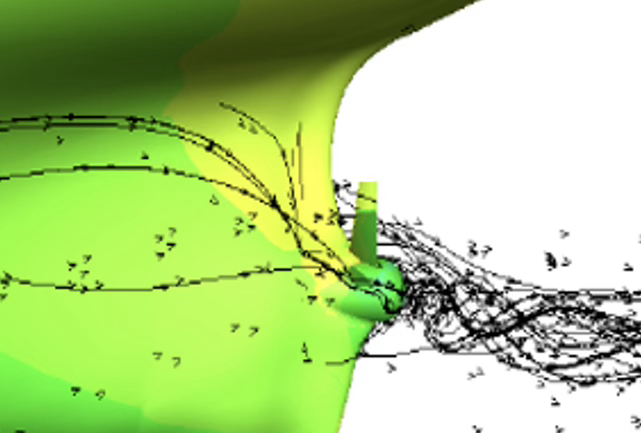
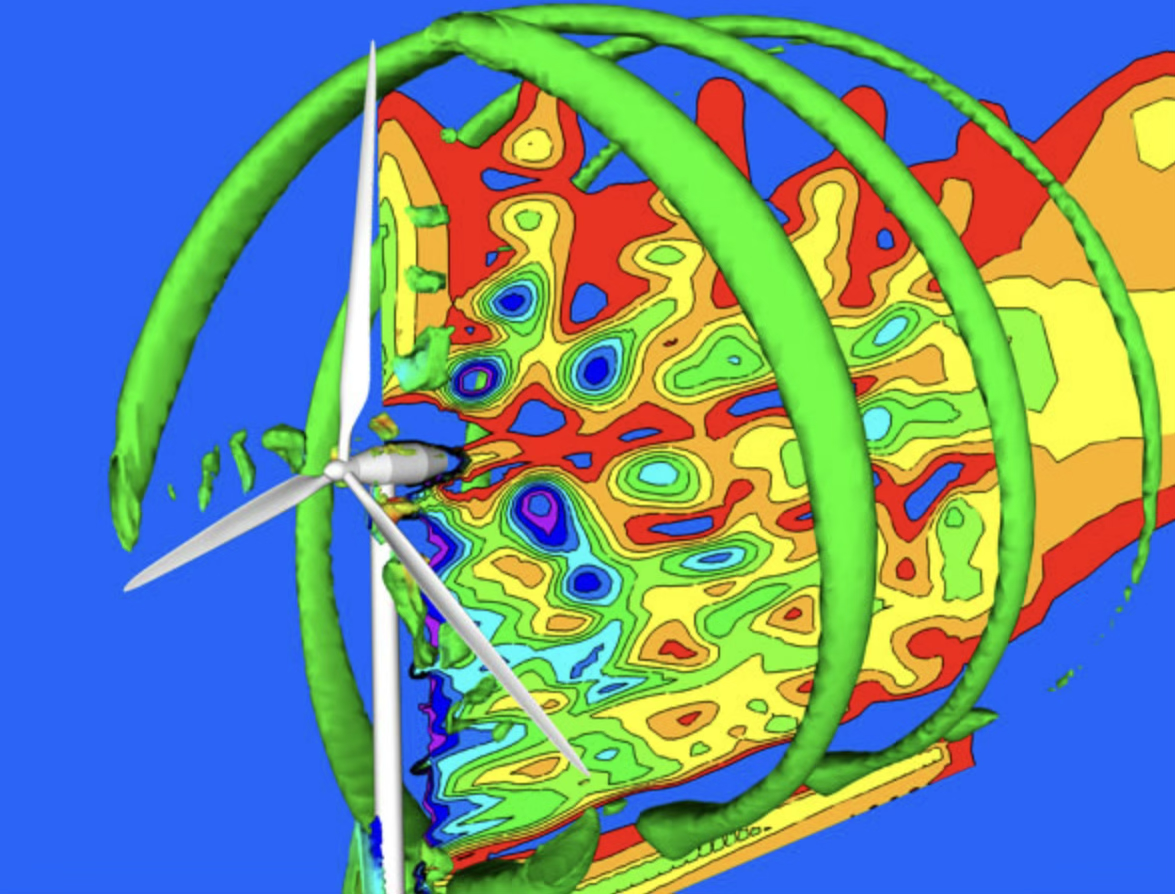
Traditional shape optimization for fluid dynamics applications requires extensive computational fluid dynamics (CFD) simulations that can take weeks or months to evaluate design alternatives, creating bottlenecks in product development cycles across aerospace, automotive, and marine industries. This project revolutionizes the optimization process by coupling high-fidelity CFD simulations with deep neural networks that learn complex geometry-performance relationships, creating intelligent surrogates that accelerate optimization by orders of magnitude. The core innovation combines systematic CFD simulation campaigns using ANSYS and OpenFOAM with custom deep learning architectures that understand how shape changes affect aerodynamic and hydrodynamic performance. Key technical challenges include developing neural networks that provide trustworthy predictions with uncertainty estimates, maintaining manufacturing constraints throughout optimization, and ensuring compatibility with downstream CAD workflows.
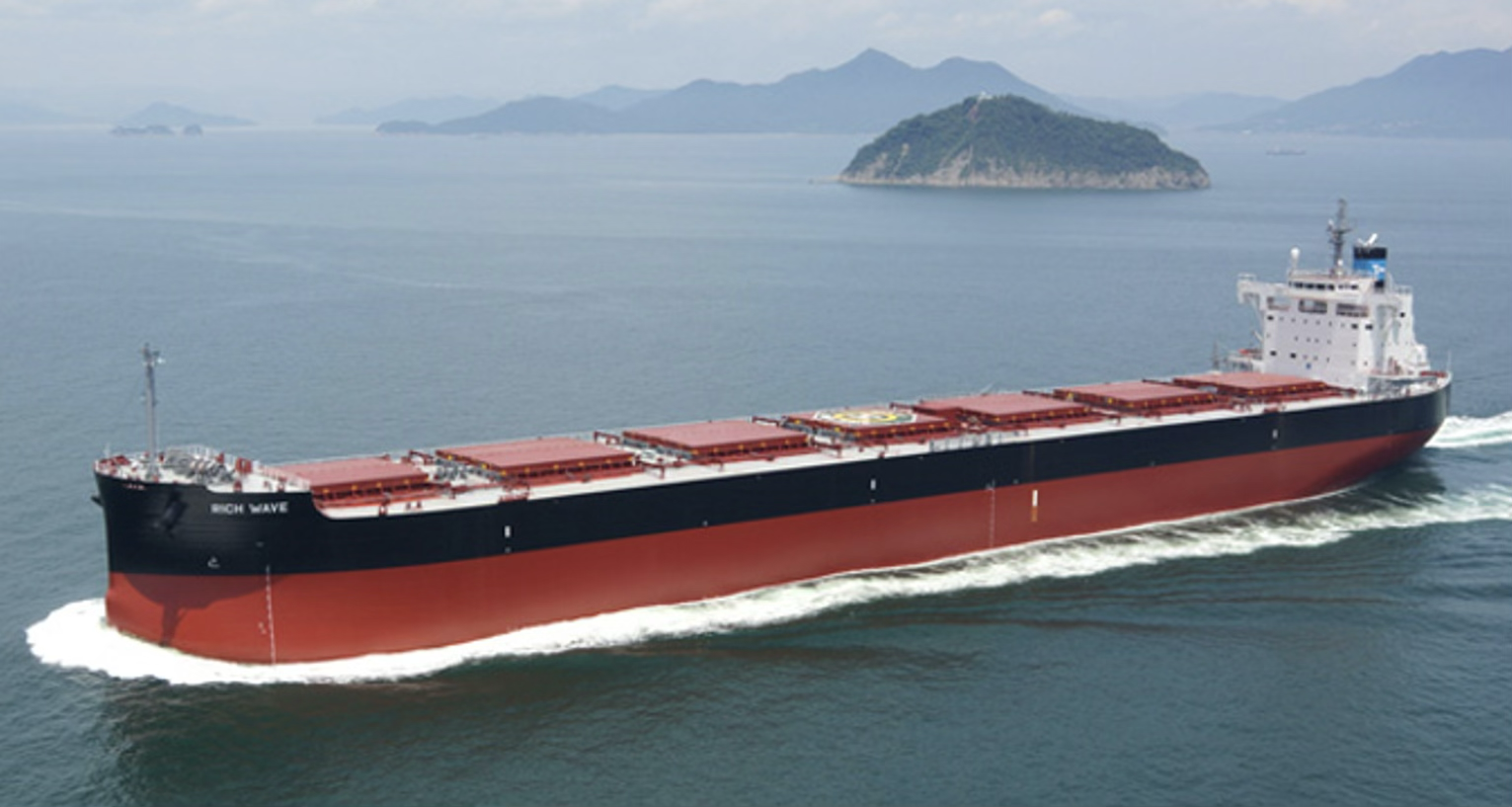
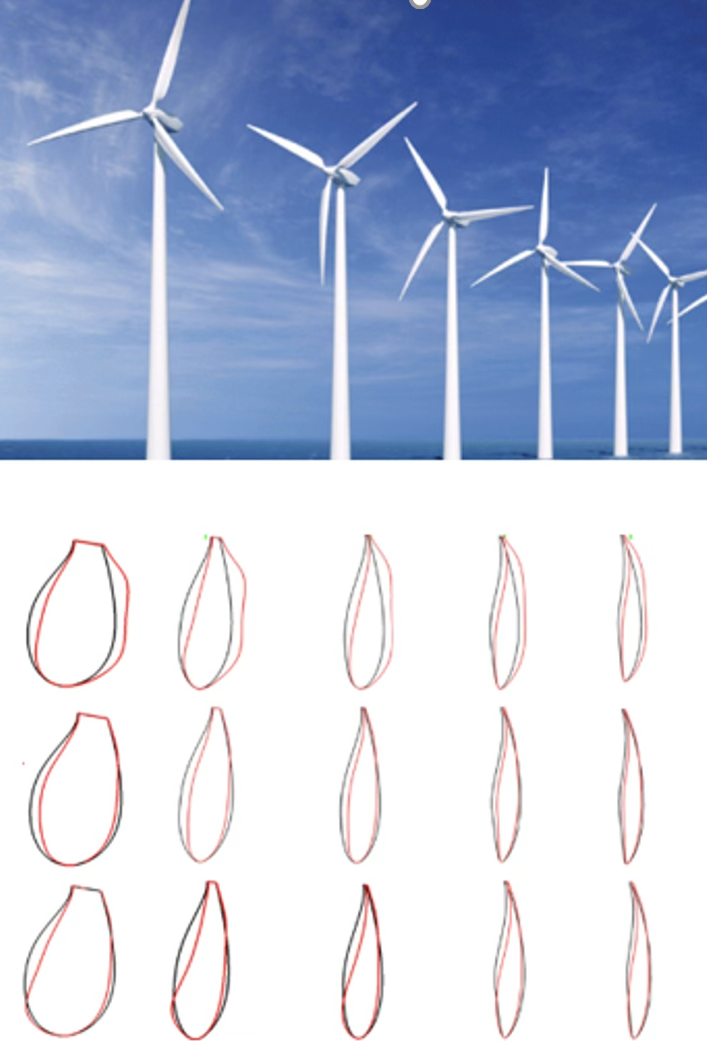
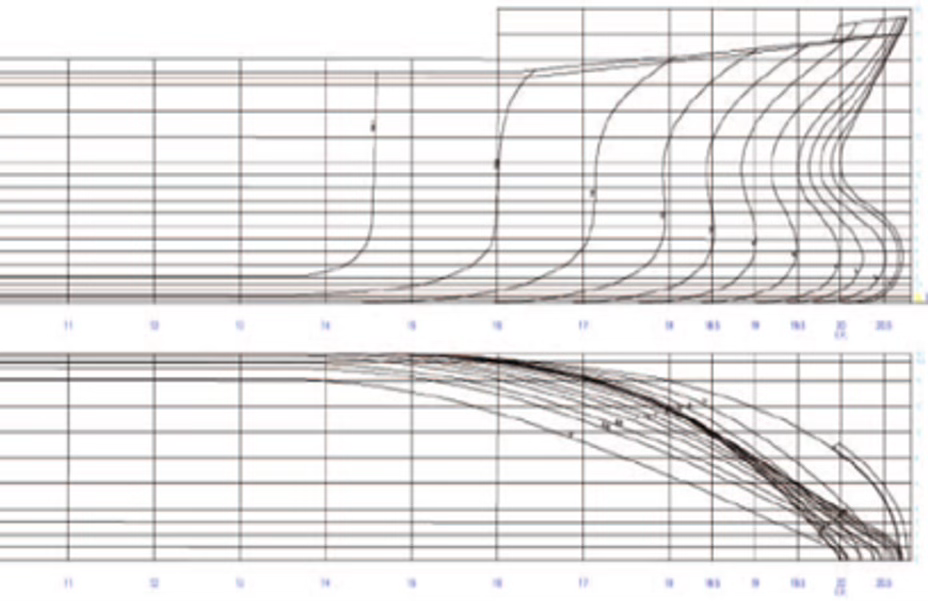
Applications span aircraft wing optimization for fuel efficiency, automotive body design for reduced drag, ship hull optimization for improved performance, and propeller design across multiple domains. The methodology enables previously impossible design explorations while dramatically reducing development costs and time-to-market for flow-critical products. Industry partnerships with aerospace, automotive, and marine companies drive real-world validation and deployment, while the framework’s flexibility allows application to diverse products from sports equipment to industrial flow systems. The research team collaborates with software companies for commercial CFD tool integration and seeks partnerships with manufacturing industries, research institutions, and product development organizations, offering opportunities to transform design processes through intelligent optimization and contribute to more efficient, higher-performing products across multiple engineering domains.