
Project Overview
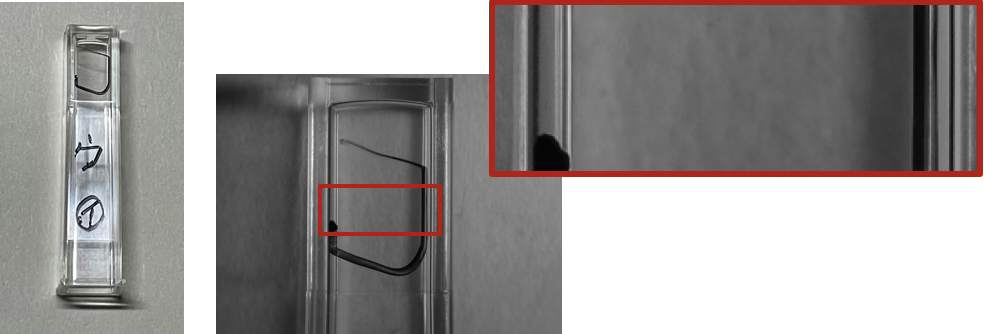
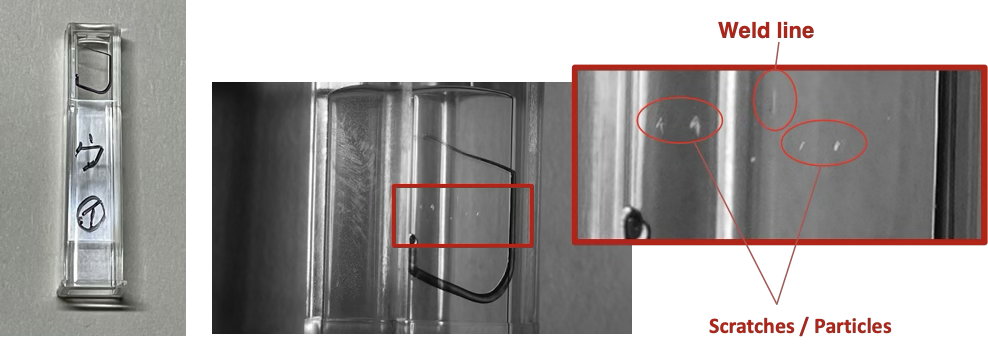
Our robotic plastic parts inspection system addresses the critical quality control challenge faced by injection molding manufacturers who inspect over 20,000 parts monthly using inconsistent manual methods that struggle with subtle defects like weld lines, surface scratches, and particulate contamination. The project develops a cost-effective automated inspection cell combining robotic part handling, adaptive smart lighting systems, and multi-scale imaging from macro to microscopic levels, specifically optimized for detecting injection molding defects that require precise lighting angles and magnification levels for visibility. The core technical innovation integrates machine learning-based defect classification with optical optimization algorithms that automatically adjust illumination patterns and camera positions for each defect type, while maintaining production speeds essential for manufacturing environments. Key engineering challenges include developing robust defect detection algorithms that distinguish between cosmetic variations and actual quality issues, creating automated focus control systems for microscopic inspection with limited depth of field, implementing real-time image processing for immediate pass/fail decisions, and designing minimal-investment solutions accessible to small manufacturers.
This transformative technology enables small to medium manufacturers to achieve consistent, traceable quality control while dramatically reducing labor costs and improving defect detection reliability compared to human inspection. The system provides complete production traceability, real-time quality analytics, and seamless integration with existing injection molding workflows, delivering immediate return on investment through reduced manual labor and improved yield rates. Applications extend across automotive components, electronics housings, medical devices, and consumer products where injection molding quality directly impacts product performance and regulatory compliance. Our research team actively collaborates with manufacturing companies for validation testing, equipment suppliers for integration development, and technology companies for commercial deployment, seeking partners ready to implement advanced automation in plastic manufacturing quality control operations.