


Project Overview
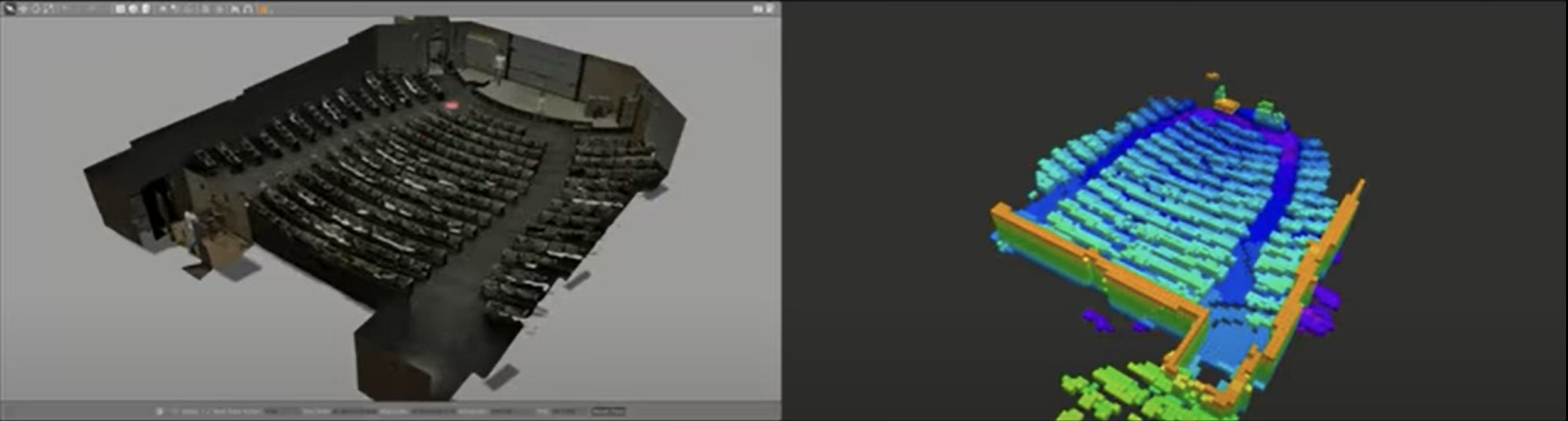
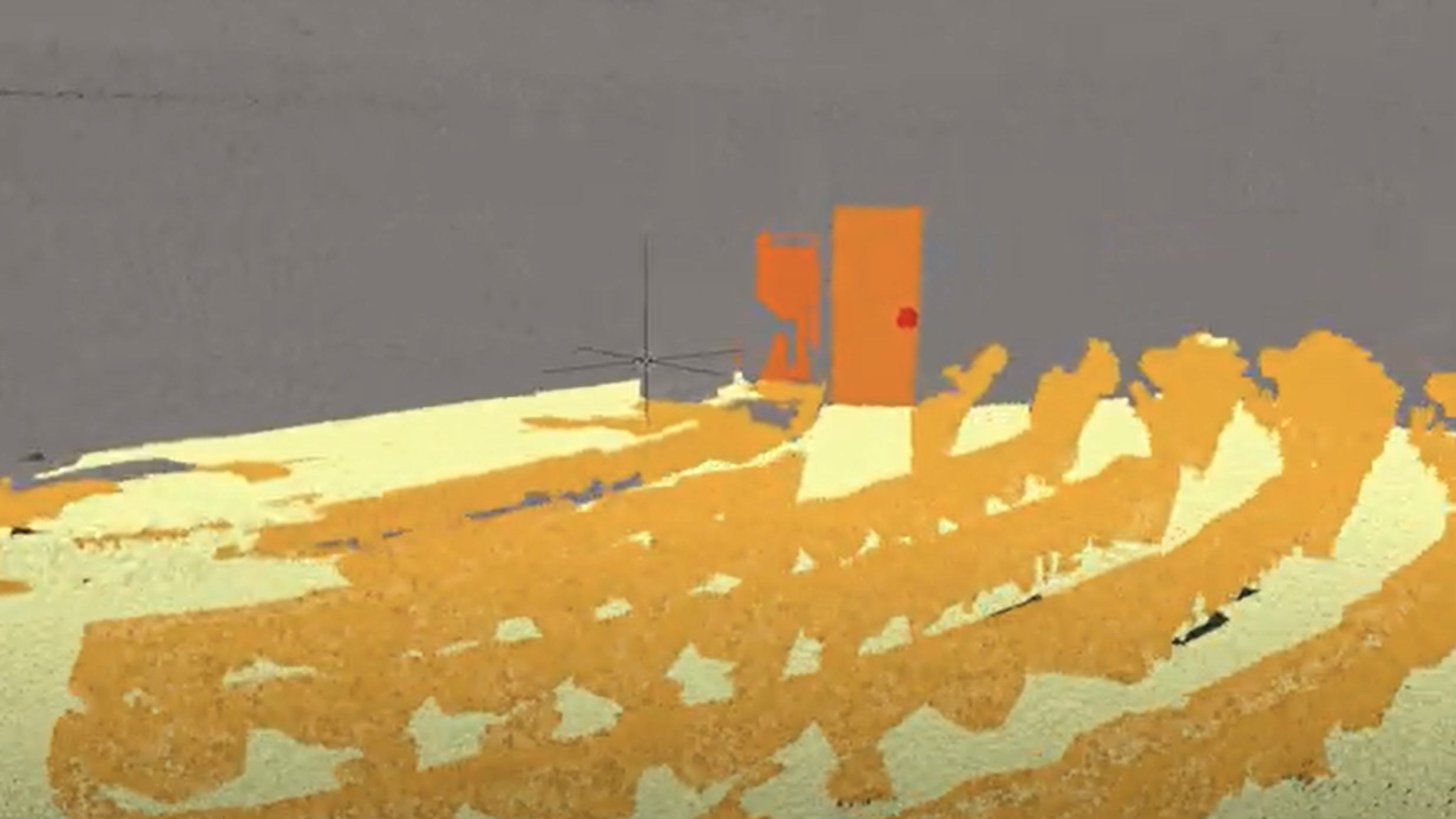
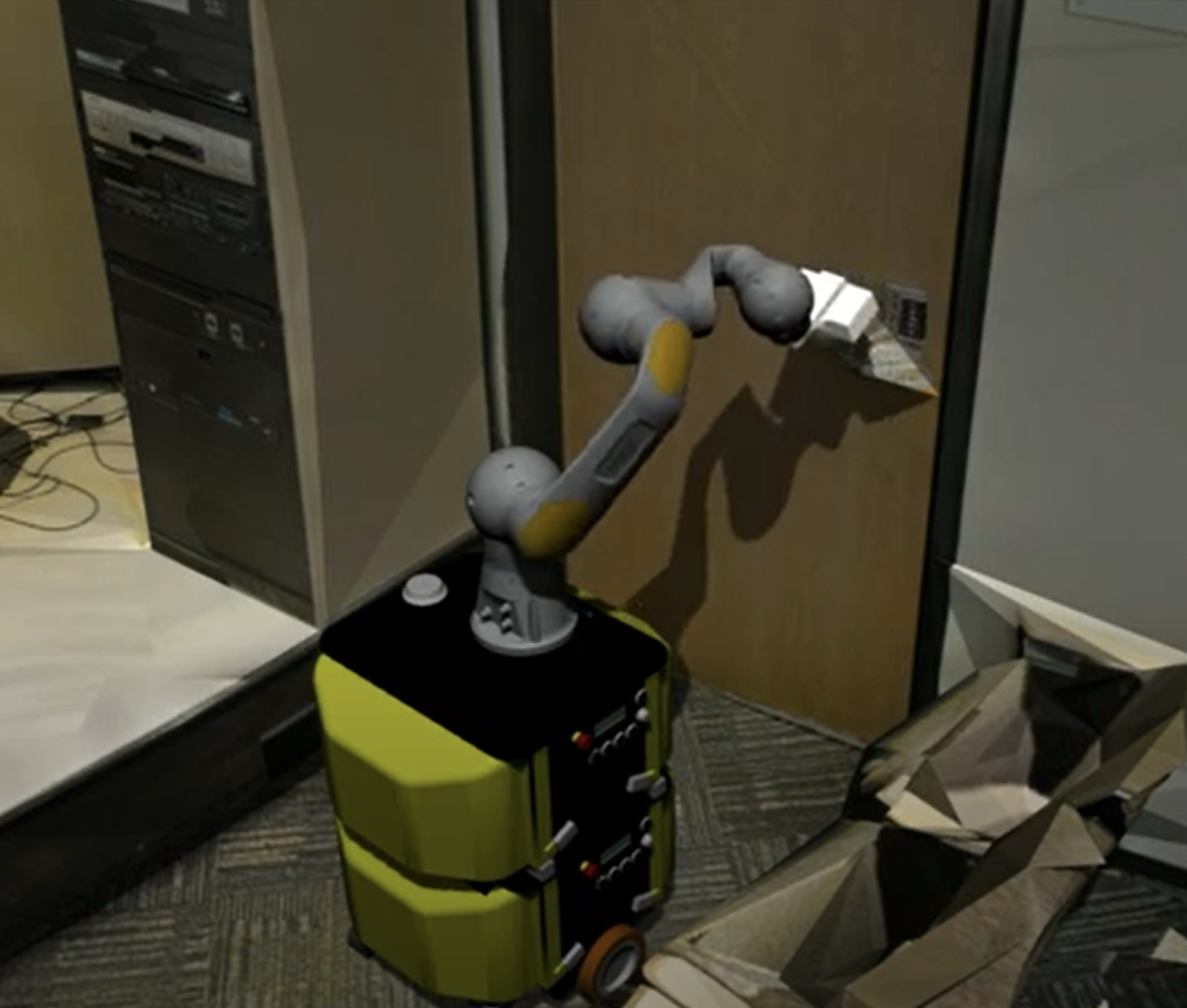
The COVID-19 pandemic highlighted critical gaps in infection control capabilities, particularly the need for systematic, repeatable disinfection that minimizes human exposure while ensuring comprehensive coverage of complex indoor and outdoor environments. We develop autonomous robotic disinfection systems that combine intelligent path planning, human movement analysis, and adaptive sterilization methods to deliver reliable contamination control in facilities with varying traffic patterns. Our mobile platform integrates UV-C light sterilization and spray disinfectant systems, automatically selecting appropriate methods based on environmental conditions, material compatibility, and safety requirements. The technical challenge lies in developing navigation algorithms that ensure complete coverage while maintaining safe separation from occupants, creating verifiable disinfection protocols that can operate autonomously across diverse facility types.
This research addresses urgent public health needs in healthcare facilities, educational institutions, commercial buildings, and public spaces where traditional manual disinfection is labor-intensive, inconsistent, and potentially dangerous for staff. Our robotic system enables rapid deployment during outbreak responses while supporting routine infection control operations that reduce transmission risks and maintain safer environments. The technology provides documented coverage verification, adaptive scheduling based on facility usage patterns, and integration with existing building management systems for seamless operation. Led by Professor Kenji Shimada, our development team creates solutions that not only addressed the immediate challenges of pandemic response but establish infrastructure for ongoing infectious disease prevention and control, demonstrating how robotics can enhance public health resilience in critical environments.