
Project Overview
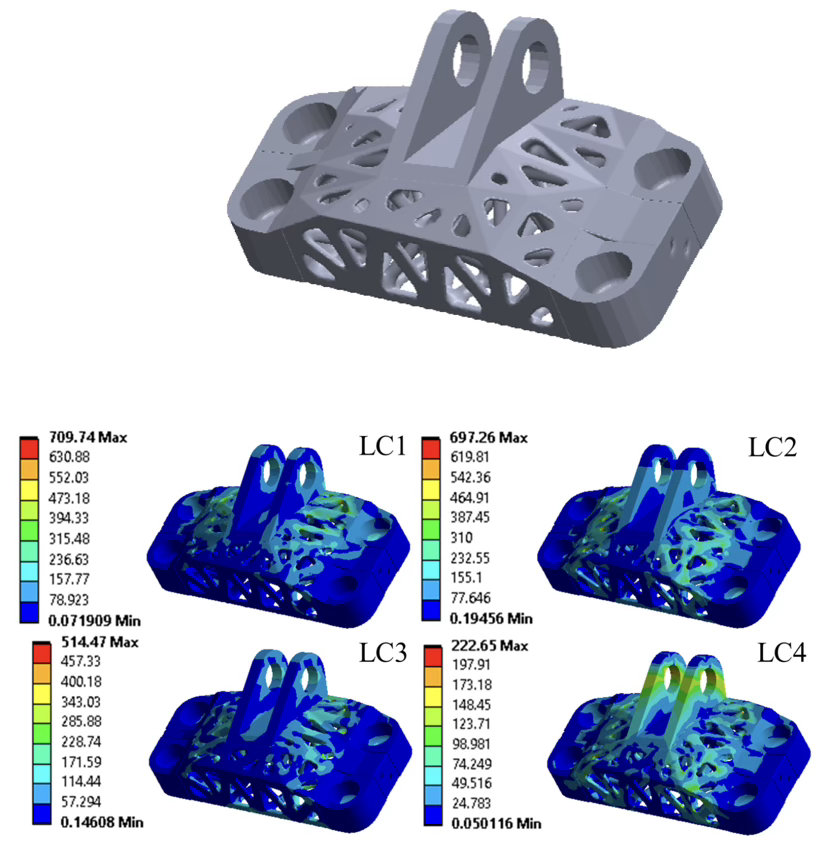
Aerospace and engineering applications demand structures that maximize strength while minimizing weight, yet traditional manufacturing methods limit the complexity of internal architectures that can achieve optimal stiffness-to-weight ratios. We develop novel computational methods for generating anisotropic, graded cellular lattice structures specifically designed for metal additive manufacturing, creating complex internal geometries that align with load paths and manufacturing constraints. Our approach produces cellular architectures that traditional machining or forming processes cannot achieve, addressing the fundamental challenge of designing lightweight structures that maintain structural integrity under demanding operating conditions. The technical innovation lies in developing algorithms that simultaneously optimize structural performance, consider manufacturability constraints, and ensure successful 3D printing without excessive support material requirements.
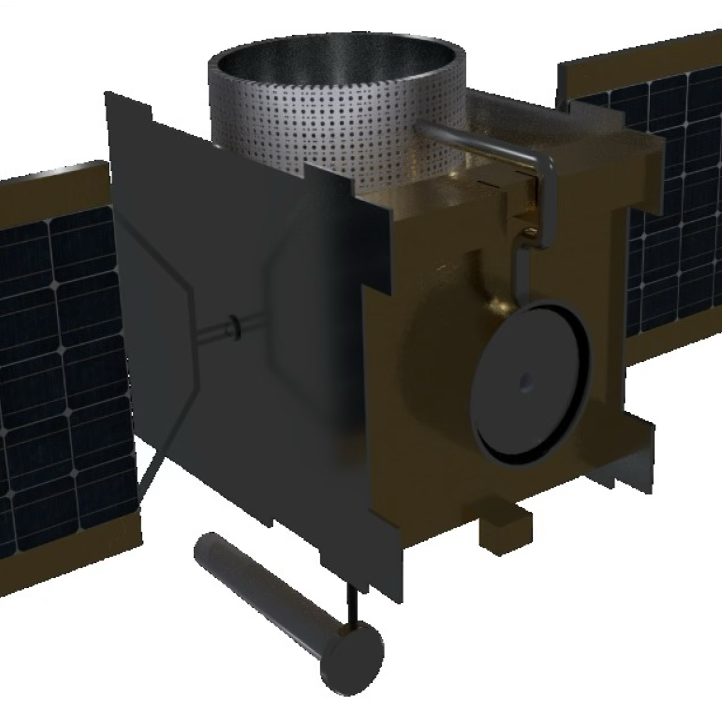
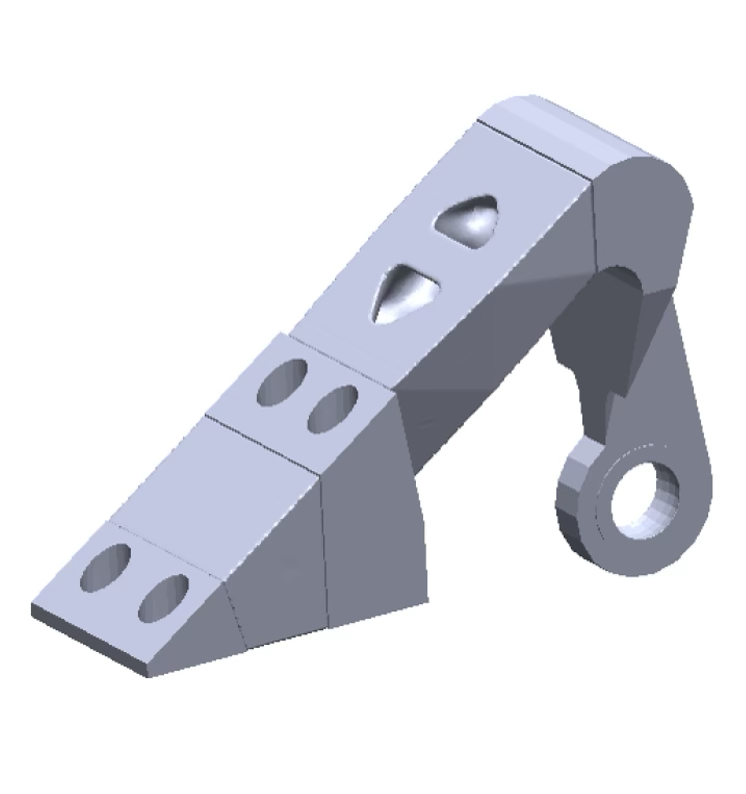
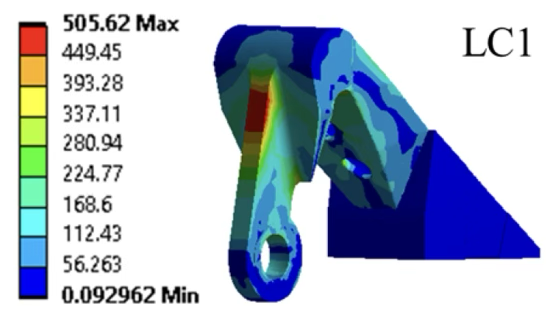
This research transforms aerospace component design by enabling the creation of internal frames, brackets, and structural elements that achieve superior performance characteristics compared to conventional solid or simple lattice designs. Our anisotropic lattice generation methods support applications in aerospace industry structural optimization, where weight reduction directly impacts fuel efficiency and payload capacity while maintaining safety margins. The technology enables verification through both finite element simulation and physical test coupons, providing confidence in structural performance before full-scale implementation. Professor Kenji Shimada and researcher Uchechukwu Agwu lead this effort, collaborating with aerospace industry partners to develop next-generation lightweight components that leverage the unique capabilities of metal additive manufacturing for improved structural efficiency and reduced material usage.