
Project Overview
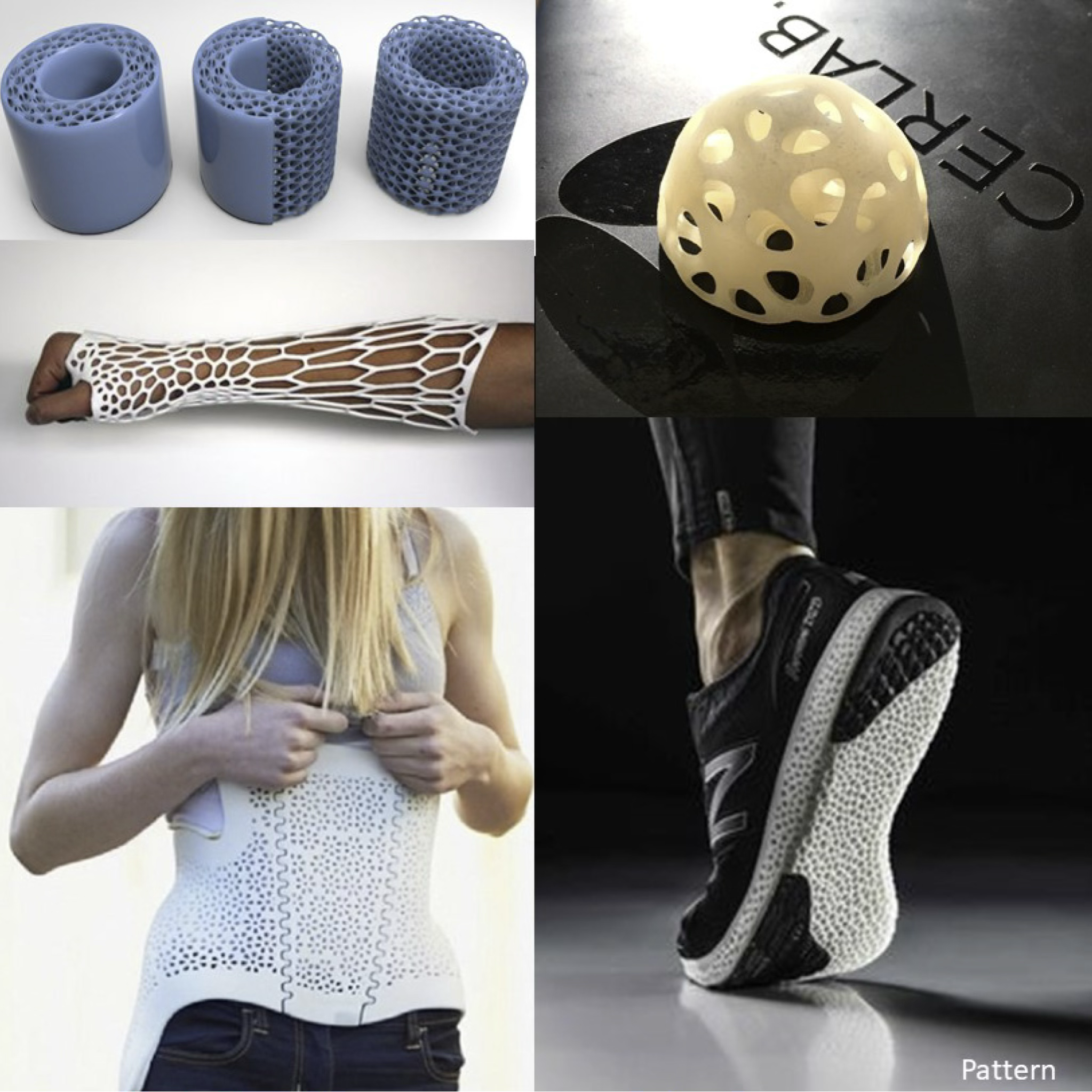
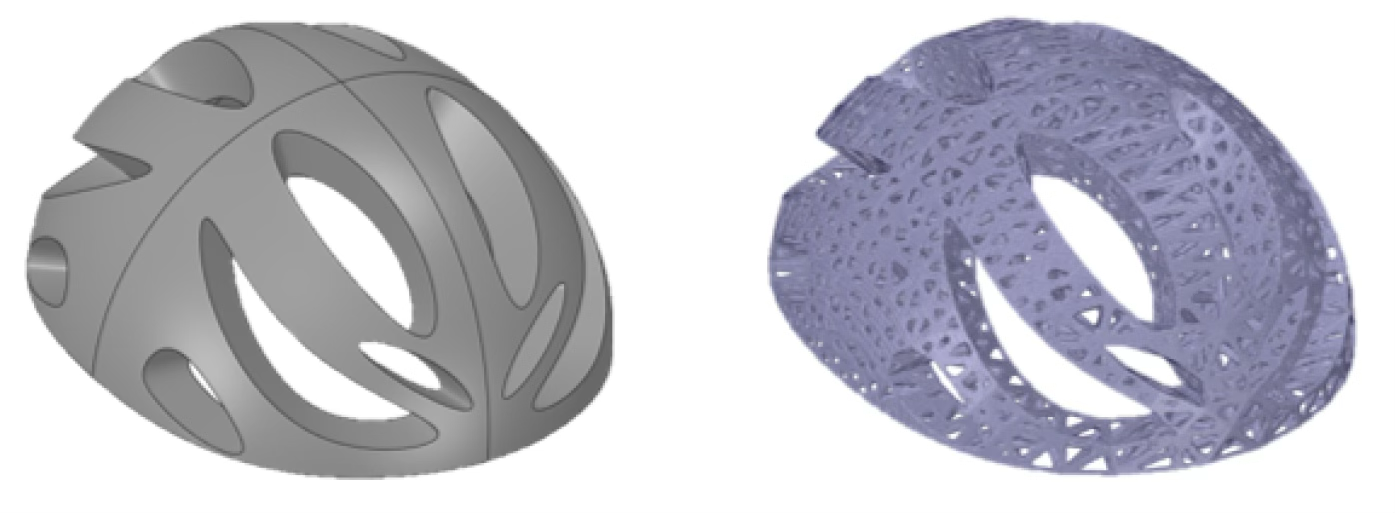
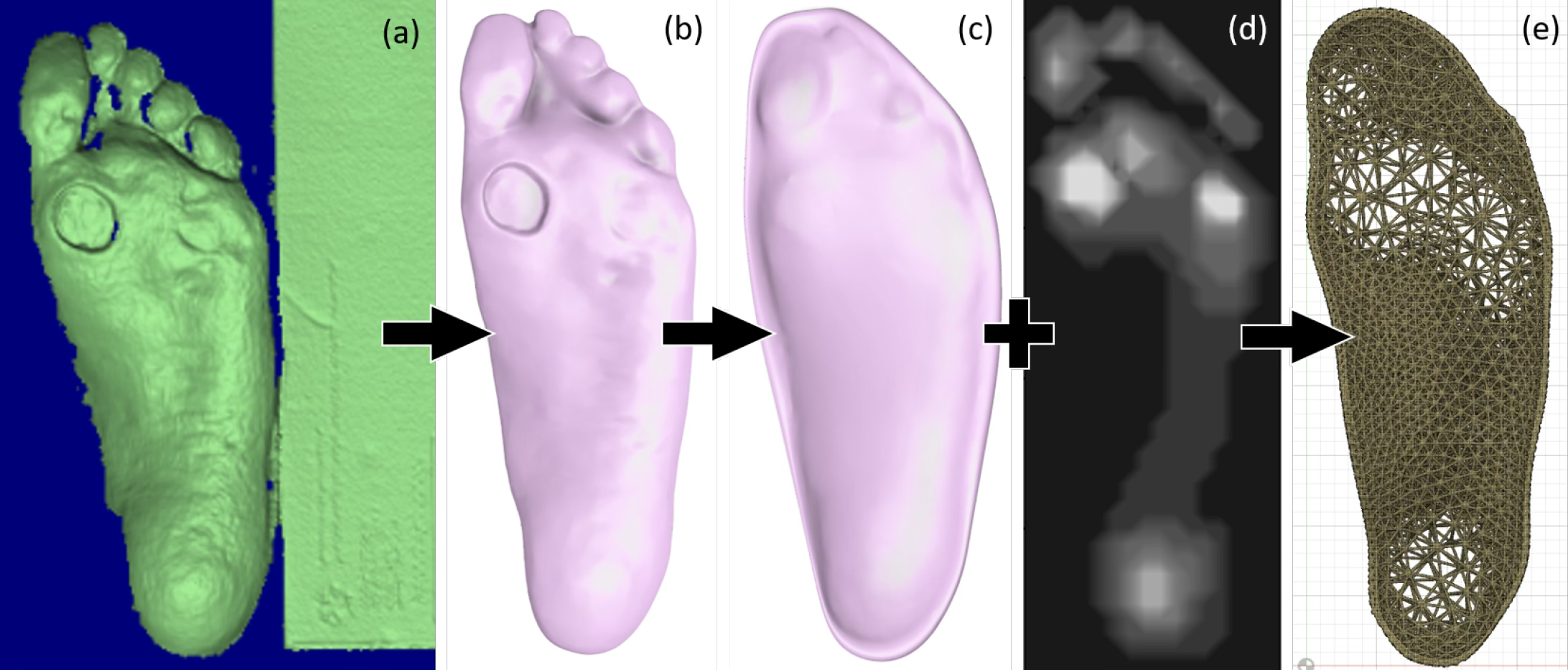
This project addresses the critical need for customized medical devices that balance structural performance with patient comfort and biological integration. Our novel computational method generates anisotropic and graded cellular lattice patterns for both polymer and metal 3D printing, enabling unprecedented customization of fit, stiffness, and ventilation properties. The core innovation lies in creating lattice structures that can be tailored to specific anatomical geometries and load paths, solving the challenge of producing medical devices that are simultaneously lightweight, breathable, and biomechanically appropriate. The technical approach combines advanced computational geometry with material science principles to generate complex cellular patterns that would be impossible to manufacture using traditional methods.
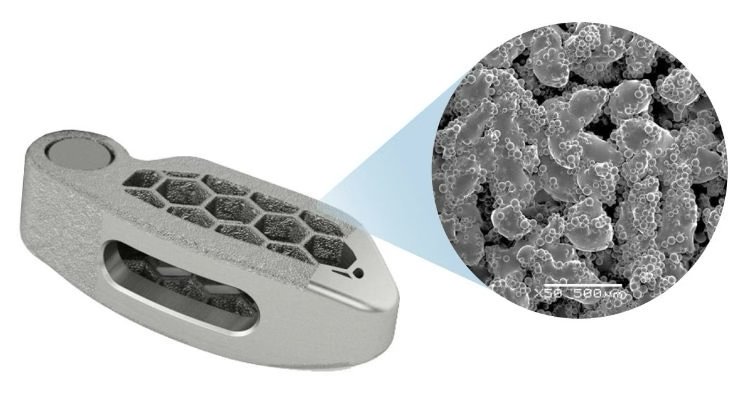
The technology has direct applications in orthopedic and prosthetic device manufacturing, producing lighter and more breathable foot orthoses, comfortable prosthetic liners, and porous spinal implants that promote osseointegration. Beyond immediate medical device applications, the research impacts broader consumer product development and industrial design where customized lightweight structures are valued. The team’s validated computational framework, supported by simulation and benchtop testing, offers a complete workflow from design to clinic-ready fabrication. We seek partnerships with medical device manufacturers, orthopedic practices, and prosthetics companies interested in next-generation customized devices that improve patient outcomes through personalized structural design.